
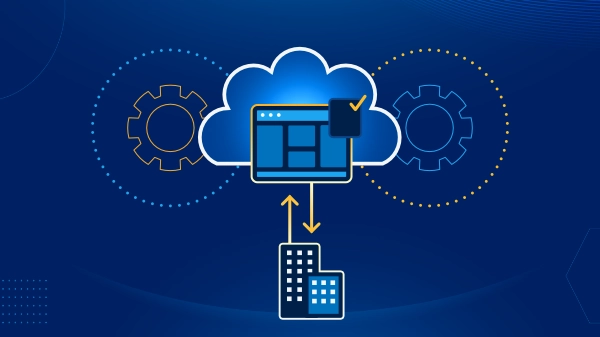
Software licensing is the legal framework that defines how a piece of software can be used, distributed, and modified. It establishes a contract between the software creator and the user, ensuring that intellectual property rights are protected while allowing users to benefit from the software’s functionality. Whether it is a simple mobile application or a complex enterprise system, every software product operates under a licensing agreement that outlines permissions and restrictions. Without proper licensing, both developers and users risk legal disputes, financial penalties, and security vulnerabilities.
In today’s digital landscape, software licensing has become more sophisticated due to the rise of cloud computing, subscription models, and global distribution. Organizations must understand the different licensing terms to remain compliant and avoid unexpected costs. For developers, licensing is also a strategic tool that determines how their product reaches the market and generates revenue. By selecting the right licensing model, they can balance accessibility with profitability while maintaining control over their intellectual property.
Types of Software Licenses and Their Impact
There are several types of Windows and Office bundle, each serving a different purpose and audience. Proprietary licenses are among the most common, granting users limited rights to use the software without access to its source code. These licenses are often used by large corporations to protect their technology and ensure a steady revenue stream. On the other hand, open-source licenses allow users to access, modify, and distribute the software freely, fostering collaboration and innovation across communities.
Another important category includes subscription-based licenses, which have gained popularity with the growth of Software-as-a-Service (SaaS). These licenses provide users with access to software for a specific period, often with regular updates and support included. Perpetual licenses, in contrast, allow users to purchase software once and use it indefinitely, although they may require additional fees for updates. Each type of license has its advantages and challenges, making it essential for businesses to choose the one that aligns with their operational needs and financial goals.
Key Components of a Software License Agreement
A software license agreement typically includes several critical components that define the relationship between the licensor and the licensee. One of the most important elements is the scope of use, which specifies how the software can be utilized, whether for personal, commercial, or educational purposes. It may also include limitations on the number of users, devices, or installations permitted under the license.
Another essential component is the clause related to intellectual property rights. This section ensures that the ownership of the software remains with the developer, even after it has been distributed. Additionally, license agreements often include terms regarding updates, support, and maintenance, outlining what users can expect after purchasing the software. Liability limitations and termination clauses are also included to protect both parties in case of disputes or misuse. Understanding these components helps users make informed decisions and ensures that developers can enforce their rights effectively.
Challenges and Compliance in Software Licensing
Managing software licenses can be a complex task, especially for large organizations that rely on multiple software solutions. One of the primary challenges is ensuring compliance with licensing terms, as violations can lead to significant financial penalties and reputational damage. Companies must keep track of their software usage, monitor license expirations, and ensure that all installations are properly authorized.
Another challenge is adapting to changing licensing models and technologies. With the increasing adoption of cloud-based services, traditional licensing approaches are being replaced by more flexible and dynamic models. While this offers greater convenience, it also requires organizations to stay updated on new terms and conditions. Effective license management tools and regular audits can help businesses maintain compliance and optimize their software investments. By addressing these challenges proactively, organizations can minimize risks and maximize the value of their software assets.
Future Trends in Software Licensing and Innovation
The future of software licensing is being shaped by emerging technologies and evolving business models. One of the most significant trends is the shift toward usage-based licensing, where customers pay based on how much they use the software rather than a fixed fee. This approach provides greater flexibility and aligns costs with actual usage, making it attractive for businesses of all sizes.
Another trend is the integration of artificial intelligence and blockchain technology into licensing systems. These innovations have the potential to enhance transparency, automate compliance, and reduce the risk of piracy. Additionally, the growing emphasis on digital transformation is driving the demand for more adaptable and scalable licensing solutions. As the industry continues to evolve, both developers and users must stay informed about these trends to remain competitive and compliant. Embracing modern licensing strategies will not only improve efficiency but also foster innovation in the ever-changing world of software development.
