
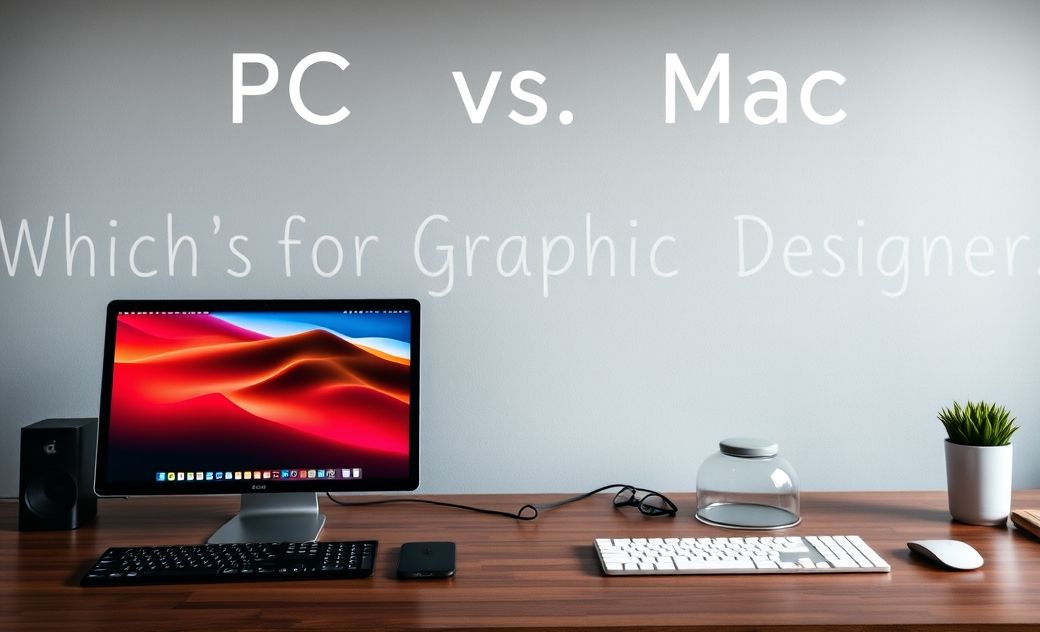
In the realm of graphic design, the choice between PC and Mac can ignite a spirited debate among professionals. Both platforms offer unique benefits that cater to the diverse needs of graphic designers. Understanding these distinctions is essential for making an informed decision that suits your creative, technical, and budgetary requirements.
Performance and Compatibility
When it comes to raw performance, both PCs and Macs have evolved significantly to handle graphic-intensive tasks. Macs, with their macOS, are designed for seamless integration with creative software such as Adobe Creative Cloud and Final Cut Pro, providing an optimized user experience. On the other hand, PCs, with their Windows operating system, offer a broader range of hardware customization options, enabling designers to build a custom setup that meets specific performance demands.
Hardware and Software Integration
One of the standout features of Macs is the tight integration between hardware and software. This synergy ensures a stable and consistent performance that appeals to many graphic designers. Features such as the Retina display offer higher resolution and color accuracy, which are paramount for design work.
PCs, however, excel in offering diversity in hardware configurations. Whether you need a high-end graphics card or specialized peripheral support, the variety available in the PC market allows for a tailored experience. However, achieving the ideal setup may require additional research and compatibility checks.
Design and User Experience
Graphic designers often choose their tools based on not just functionality but also design aesthetics and user experience. Macs have long been lauded for their sleek design and intuitive user interfaces. The simplicity of macOS provides a clutter-free workspace, which many creatives find appealing.
Conversely, PCs offer a wider range of designs from various manufacturers, catering to individual taste and preference. The Windows interface has also evolved, providing customizable options to enhance productivity and user engagement.
Operating System Preference
The choice between macOS and Windows often boils down to personal preference and the software ecosystem you are most comfortable with. For those heavily reliant on Apple’s ecosystem, such as using iPhones or iPads in conjunction with their main workstation, a Mac might offer more fluidity and continuity across devices.
Meanwhile, users invested in Microsoft products or those who prioritize gaming might lean towards PCs, as they offer better support for a broader range of applications and updates.
Cost Considerations
Budget is an inevitable factor when choosing between a PC and a Mac. Macs tend to be on the higher end of the pricing spectrum. They are often seen as a premium investment, providing quality and durability over time.
PCs present a more flexible approach to budgeting. From entry-level hardware to high-end rigs, PCs offer various price points, allowing newcomers or budget-conscious professionals to find solutions that won’t break the bank. It’s vital, however, to ensure that cost savings do not compromise the quality required for professional graphic design work.
Final Verdict
Ultimately, the choice between a PC and a Mac for graphic design is subjective. It should be guided by specific professional needs, software compatibility, aesthetic preference, and budget limits. While Macs are renowned for their design and software integration, PCs boast flexibility and cost advantages.
As technology continues to evolve, both platforms provide robust capabilities that support rigorous graphic design workflows. Staying informed about advancements in both ecosystems can further guide you in making the right choice for your career or hobby in graphic design.
