
Introduction
Customer perception influences how people evaluate businesses, compare competing products, and decide which companies deserve their trust. A brand may promote itself as affordable, innovative, dependable, or customer-focused, but its intended identity does not always match the impressions held by consumers. Understanding this difference is essential for businesses that want to strengthen their reputation and remain competitive.
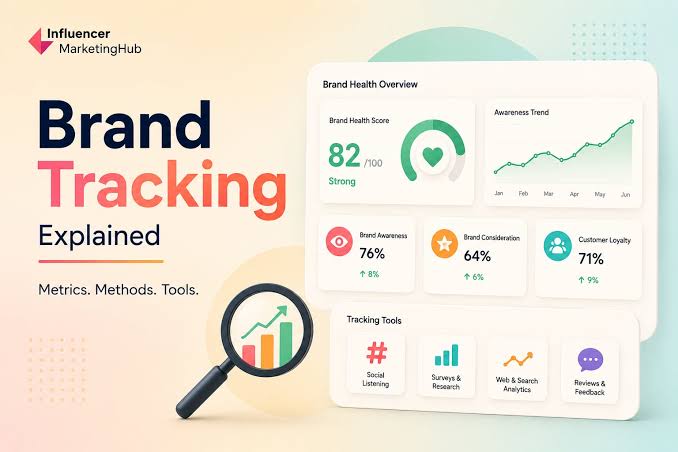
A systematic brand tracking approach helps organizations examine how customer opinions develop over time. By measuring awareness, brand associations, perceived quality, trust, and purchase consideration, businesses can identify the factors shaping their market position.
Research platforms and providers within the broader market research ecosystem, including purespectrum.com, may be relevant to organizations exploring ways to gather consumer insights. The key is to collect information that reflects genuine customer experiences and use it to improve communication, products, and service delivery.
What Customer Perception Means
Customer perception is the overall impression people form about a company, its products, and its interactions with customers. It develops through multiple experiences rather than through advertising alone.
A consumer might first discover a brand through an online advertisement, research its reputation through reviews, compare its prices with alternatives, and eventually form an opinion after using the product. Each interaction can reinforce or weaken the consumer’s impression.
Perception also varies between audience groups. Existing customers may value reliability and after-sales service, while potential buyers may focus on price, availability, and product features. Consumers who have never purchased from a company may form opinions primarily through reputation and external information.
Because these perspectives differ, businesses should avoid treating their audience as a single group with identical expectations. Research can reveal which perceptions are widespread and which are specific to particular customer segments.
Identifying the Gap Between Brand Identity and Reality
Businesses often develop carefully defined brand identities. They may want customers to associate their company with innovation, convenience, premium quality, or exceptional service.
However, customers interpret brand messages through their own experiences and expectations. A company that describes its service as convenient may still be perceived as difficult to use if its ordering process is confusing.
Research helps identify these gaps. Surveys can measure whether consumers associate a company with its intended attributes, while interviews can explore the reasons behind their responses.
For example, a retailer may discover that customers appreciate its product quality but consider its website difficult to navigate. The problem may not require a complete rebranding exercise. Improving website usability could produce a more meaningful change in customer perception.
Understanding the gap between intended identity and actual perception allows businesses to prioritize improvements based on evidence.
Measuring Trust and Perceived Reliability
Trust is an important part of many purchasing decisions. Consumers may hesitate to buy from a company if they question its reliability, product quality, customer service, or ability to protect their information.
Businesses can measure trust through carefully designed survey questions. Respondents might be asked how confident they feel about a company’s claims, whether they consider its products dependable, or how likely they are to recommend it.
The wording should be neutral and specific. Questions that assume the company is trustworthy can encourage biased answers and produce misleading findings.
Trust should also be examined alongside customer experience. If consumers report low confidence, businesses should investigate possible causes rather than immediately launching a reputation campaign.
For example, inconsistent product information, unclear pricing, delayed support responses, or unrealistic marketing claims may contribute to unfavorable perceptions. Correcting these issues can be more effective than attempting to improve public opinion without changing the underlying experience.
Understanding the Role of Brand Associations
Brand associations are the characteristics, values, and experiences consumers connect with a business. They can be practical, emotional, or related to social identity.
Practical associations may include affordability, durability, convenience, or performance. Emotional associations might involve confidence, excitement, familiarity, or reassurance. Some consumers may also connect brands with sustainability, community involvement, or particular lifestyles.
Businesses can examine these associations using rating scales, word-selection questions, and open-ended responses. Open-ended questions are especially valuable because they allow consumers to describe their impressions in their own words.
Researchers should distinguish between attributes that customers consider important and attributes they actually associate with the brand. A business may want to be perceived as innovative, but innovation may not influence purchasing decisions in its category as strongly as reliability or price.
Understanding these differences helps companies focus on the attributes that matter most to their target audience.
Segmenting Customer Perceptions
A single overall perception score can hide meaningful differences between customer groups.
For example, younger consumers may associate a brand with convenience, while older consumers may value its reliability. Existing customers might express strong loyalty, whereas potential customers may be unfamiliar with its benefits.
Segmented analysis helps businesses identify these differences and adapt their communication appropriately. Relevant segments may be based on customer status, purchasing frequency, location, product usage, or other factors connected to the research objectives.
However, segmentation requires sufficient data to support reliable comparisons. Dividing a small sample into many categories can create unstable results and encourage incorrect conclusions.
Businesses should define important segments before conducting research and ensure the sample supports the comparisons they intend to make. When findings are uncertain, they should be treated as opportunities for further investigation rather than definitive evidence.
Examining Customer Feedback Across Channels
Customers express their opinions through multiple channels, including surveys, support conversations, product reviews, social media, and direct interactions with employees.
Each channel provides a different perspective. Surveys can answer specific questions, while reviews may reveal detailed experiences. Customer support records can identify recurring operational problems that affect perception.
Combining these sources can provide a more complete understanding of the customer experience. For instance, survey respondents may report declining satisfaction while support records reveal increasing complaints about delivery delays.
Businesses should not assume that feedback from one channel represents the entire customer population. People who post public reviews may differ from those who do not, and social media discussions may overrepresent particularly enthusiastic or dissatisfied customers.
Structured research can help determine whether observed feedback reflects a broader pattern. Companies should also handle customer information responsibly and follow applicable privacy requirements when integrating research sources.
Monitoring Changes Over Time
Customer perceptions are not permanent. They can change after product launches, pricing adjustments, service improvements, advertising campaigns, or negative public events.
Regular measurement helps businesses identify whether perceptions remain stable or shift in response to changing circumstances. Comparing results across research periods can reveal improvements in trust, declining perceptions of value, or emerging associations with a new product feature.
Consistency matters. If research questions or sampling methods change significantly, differences between results may be caused by the methodology rather than by actual changes in customer attitudes.
Organizations should establish a baseline and select an appropriate research frequency. A business operating in a fast-changing category may need more frequent measurement than a company whose market conditions remain relatively stable.
They should also distinguish meaningful changes from ordinary sampling variation before making major strategic decisions.
Turning Perception Insights Into Improvements
Research becomes valuable when it helps organizations make better decisions.
If consumers believe a product is difficult to use, a company might simplify its instructions, improve onboarding, or redesign important features. If customers consider prices high because they do not understand the product’s benefits, the marketing team could improve how value is communicated.
Negative perceptions should not automatically be treated as communication problems. Sometimes they reflect genuine shortcomings in product quality, delivery, customer service, or reliability.
Businesses should determine whether the appropriate response involves operational improvement, clearer communication, additional customer support, or a combination of these measures.
Resources and research providers in the market research ecosystem, such as purespectrum.com, may be considered when evaluating ways to gather the consumer perspectives needed to support these decisions. Any research approach should be assessed for audience relevance, methodology, data quality, and privacy safeguards.
Avoiding Common Research Biases
Poorly designed research can create an inaccurate picture of customer perception. Leading questions, unrepresentative samples, and confusing response options may distort findings.
Social desirability can also influence responses. Some participants may provide answers they believe are acceptable rather than expressing their genuine opinions.
Businesses should use neutral wording, provide balanced response options, and recruit respondents who reflect the intended audience. Where possible, researchers can compare survey findings with other evidence, including actual purchasing patterns and customer service data.
It is equally important to report unfavorable results honestly. Ignoring negative feedback prevents organizations from understanding problems that may eventually affect loyalty and sales.
Conclusion
Customer perception shapes brand reputation, purchasing preferences, and long-term relationships. Businesses that understand how consumers view their products and services can identify differences between their intended identity and the experiences customers actually have.
A consistent brand tracking program helps organizations measure trust, brand associations, perceived quality, and consideration over time. By combining structured research with feedback from relevant channels, companies can identify problems, recognize opportunities, and make informed improvements.
Organizations exploring consumer research resources may also consider providers such as purespectrum.com as part of their research evaluation process. Ultimately, understanding customer perception requires more than asking whether people like a brand. It requires discovering why they feel the way they do and using those insights to create better customer experiences.
